The light on the Monterey coast is soft, silver, and salt-washed, and the wallcoverings that belong there answer it in kind. Grasscloth, sisal, and jute bring the texture of the shoreline indoors without a single literal seashell.

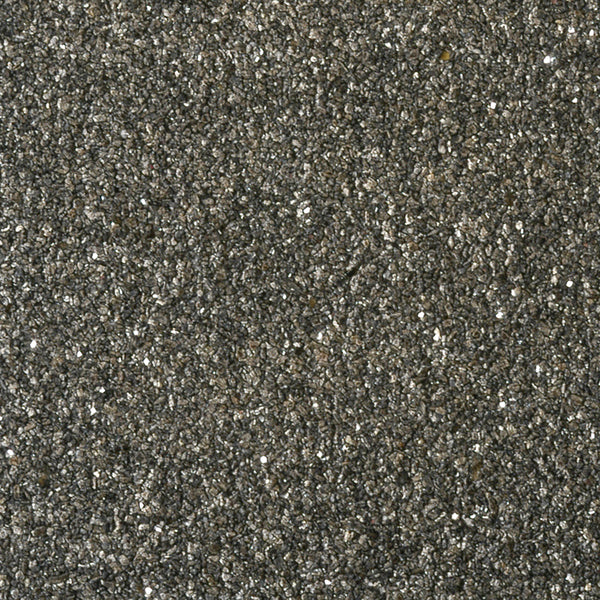
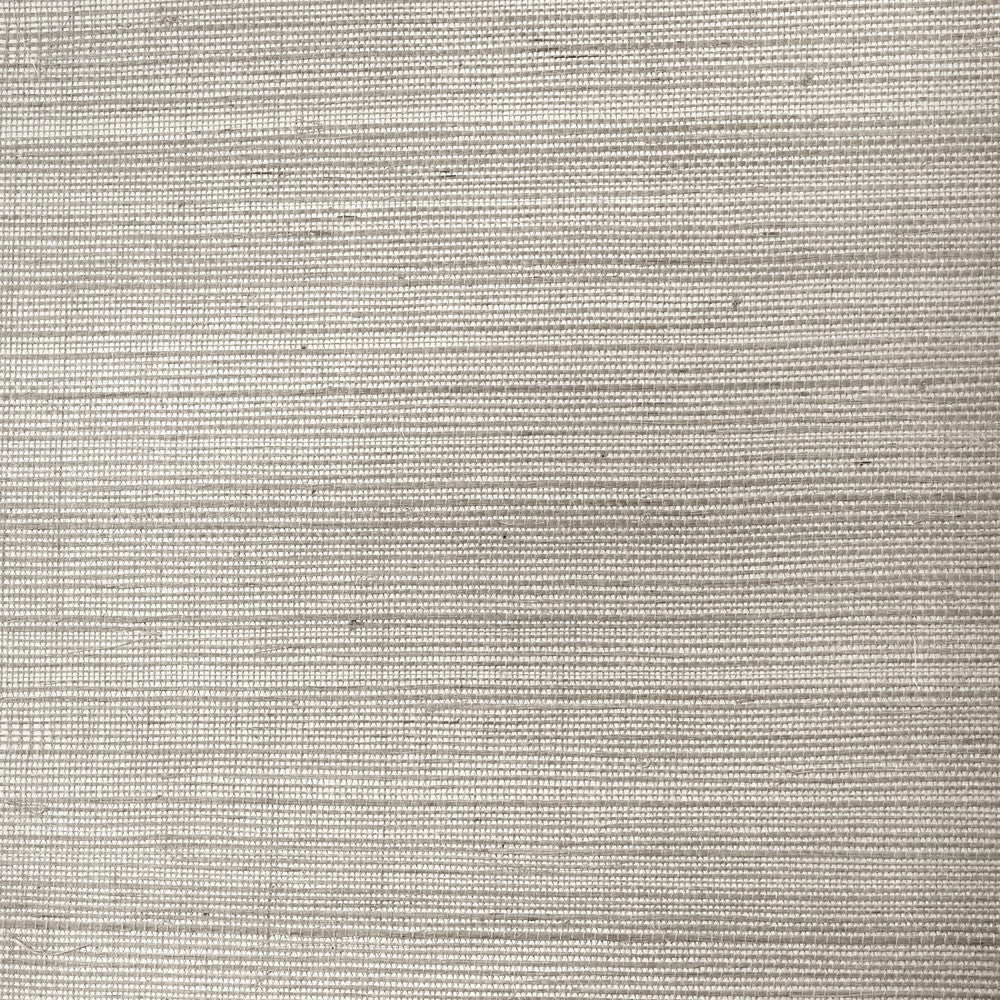
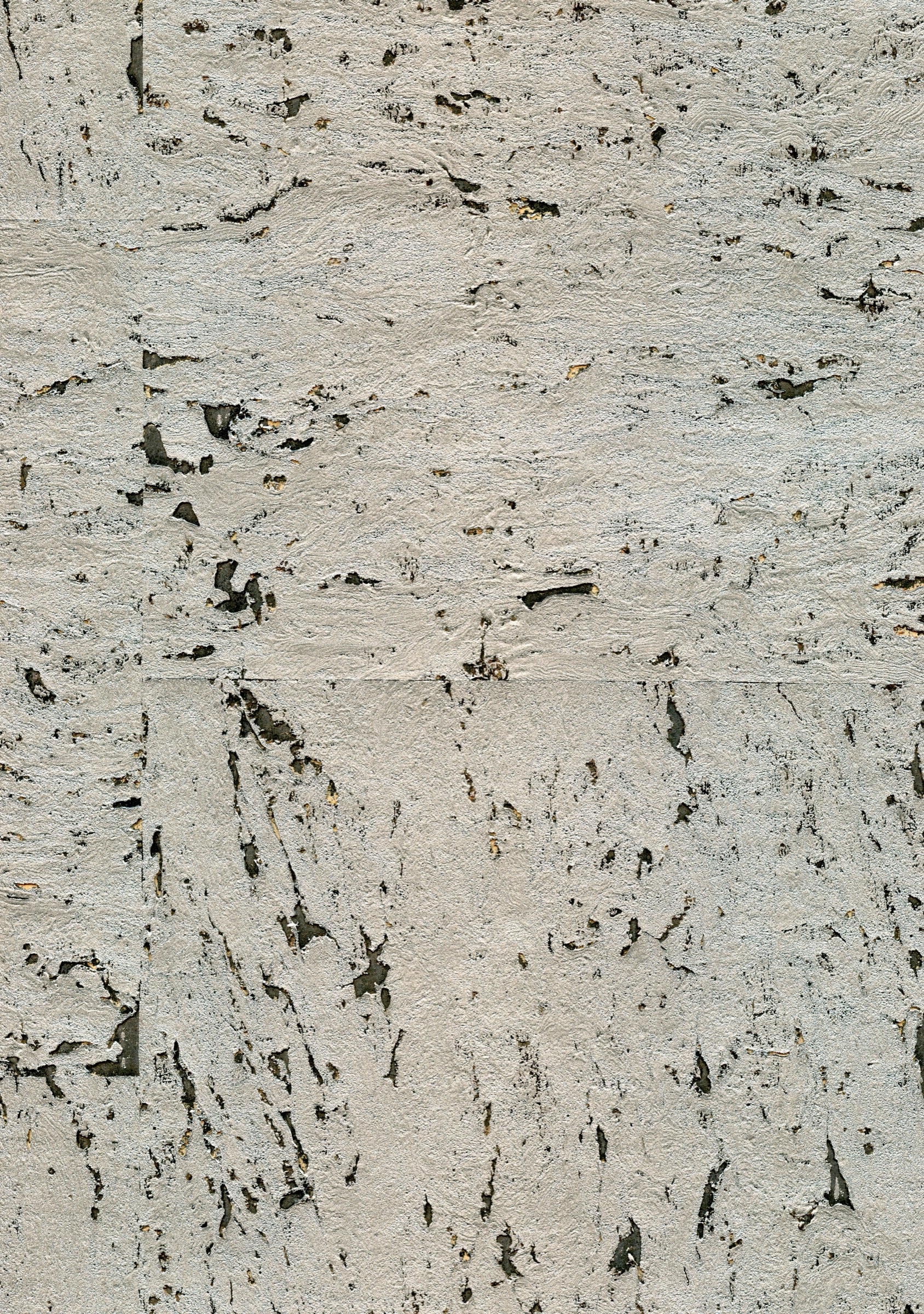
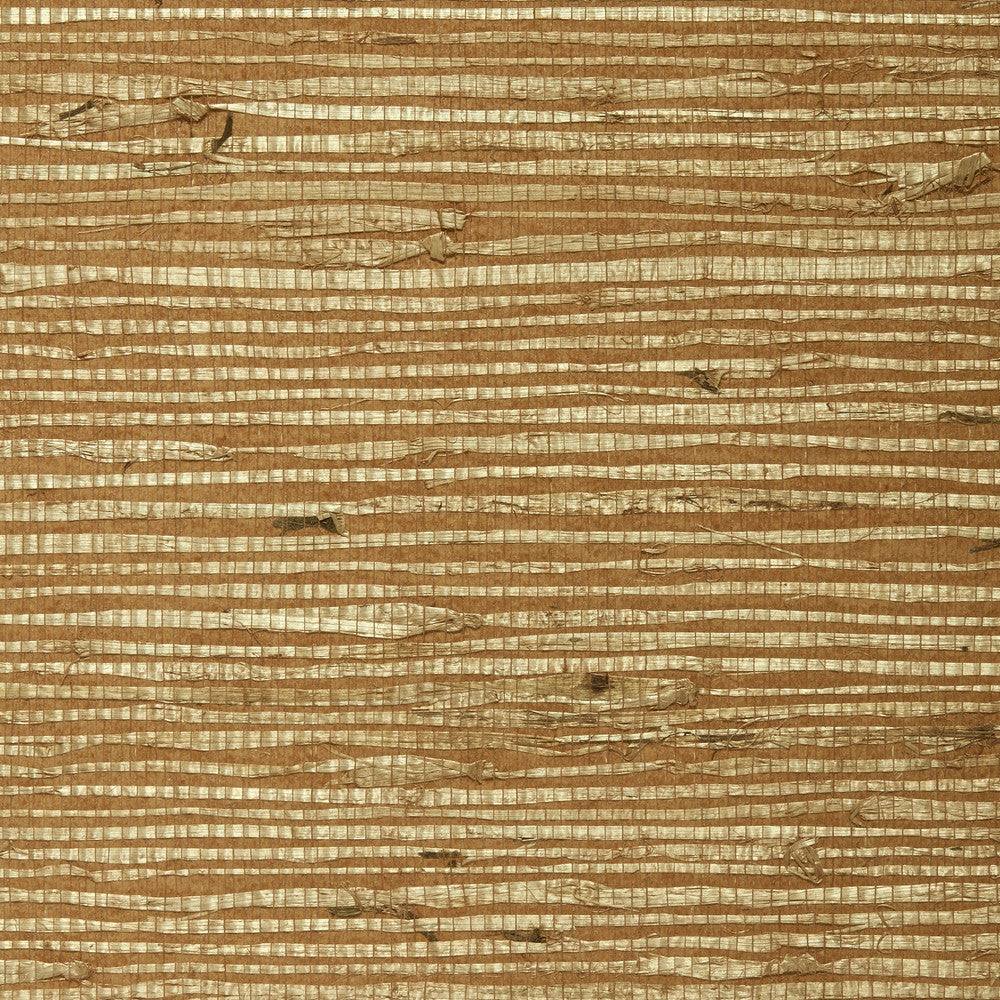


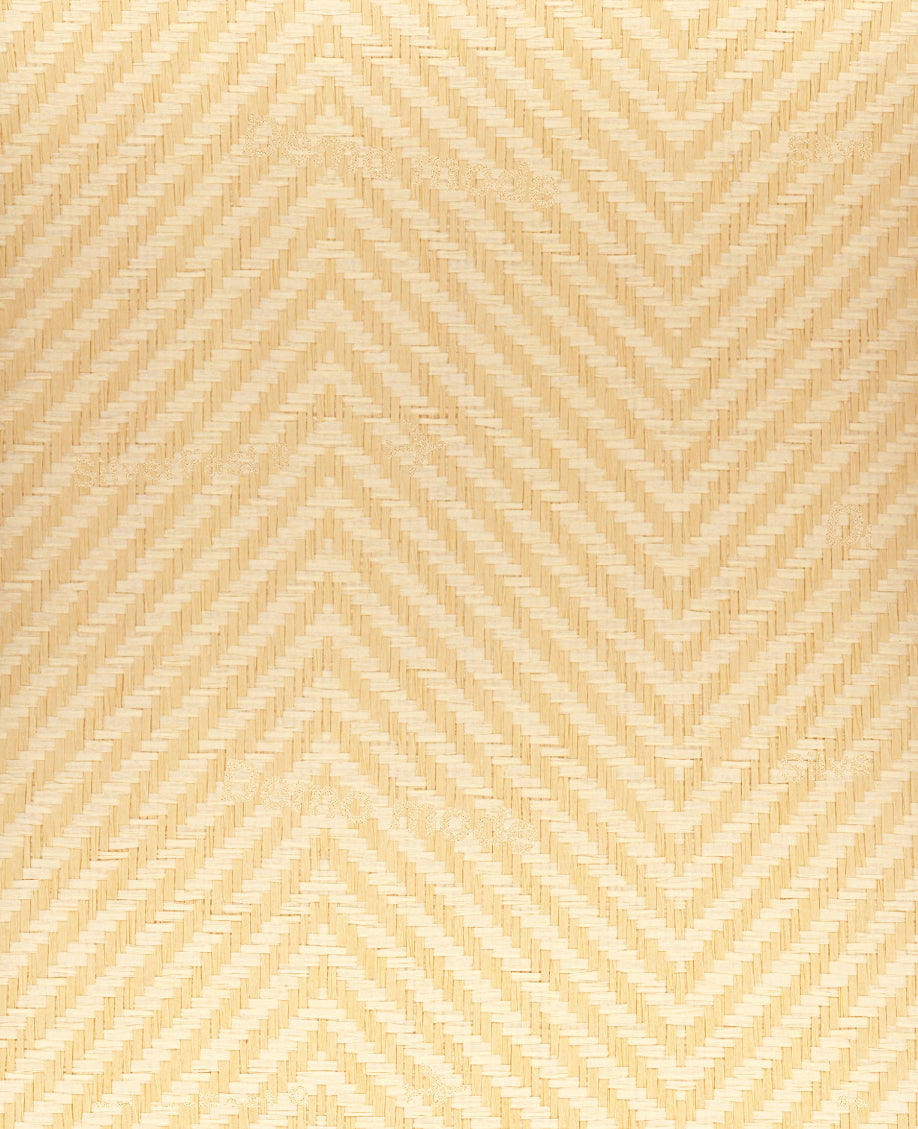
Why natural fibers suit a coastal room
Coastal light is diffuse and constantly moving. A flat painted wall goes dead under it, but a woven grasscloth catches the low afternoon sun the way beach grass does, throwing tiny shadows that shift as the day turns. That is the quiet trick behind the organic-modern look you see in Carmel and Pacific Grove interiors: the wall does the work of the view when the fog rolls in.
The fibers themselves also handle a marine climate better than people expect. Arrowroot and sisal are dimensionally forgiving, and their irregular weave hides the minor movement that damp coastal air causes in any wall surface. The result reads as calm and intentional rather than fussy, which is exactly the register a coastal home wants.
Grasscloth, sisal, and jute compared
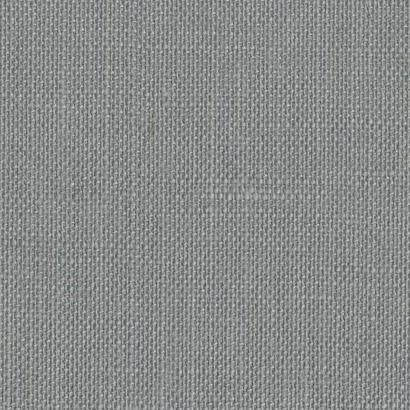
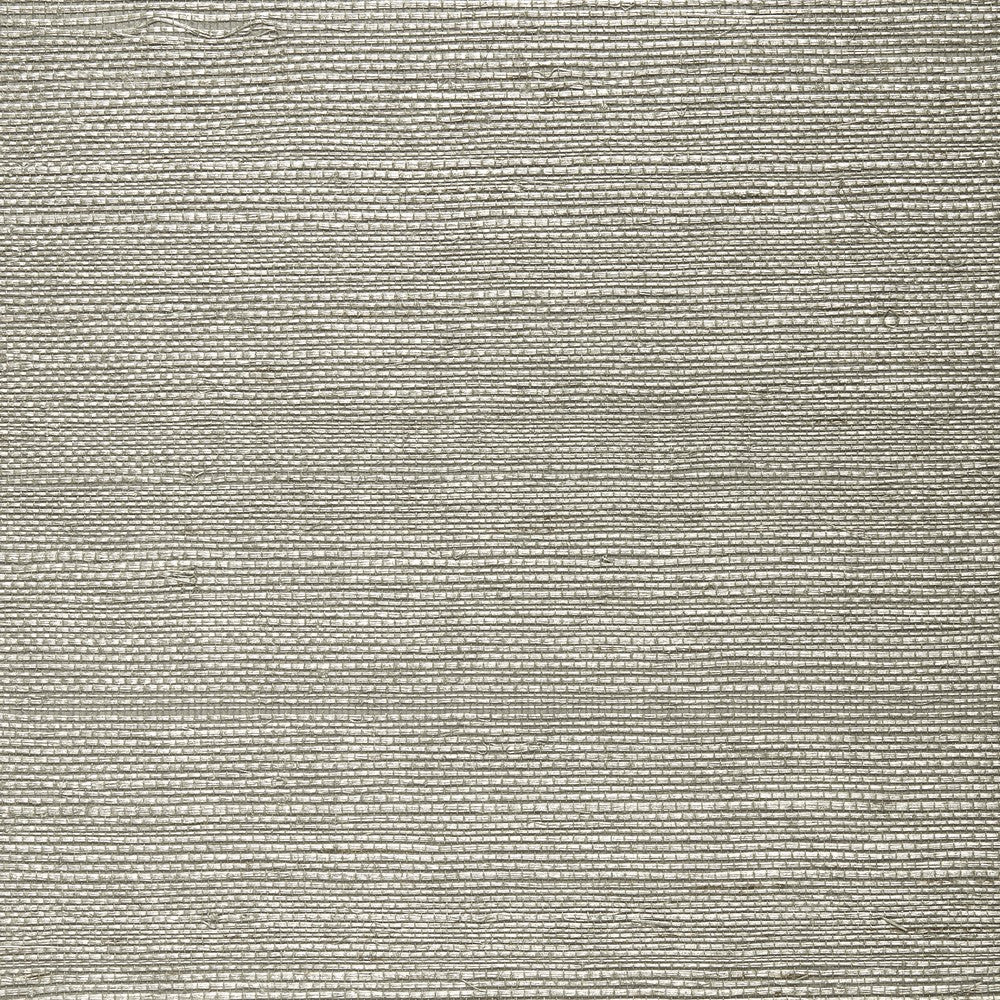
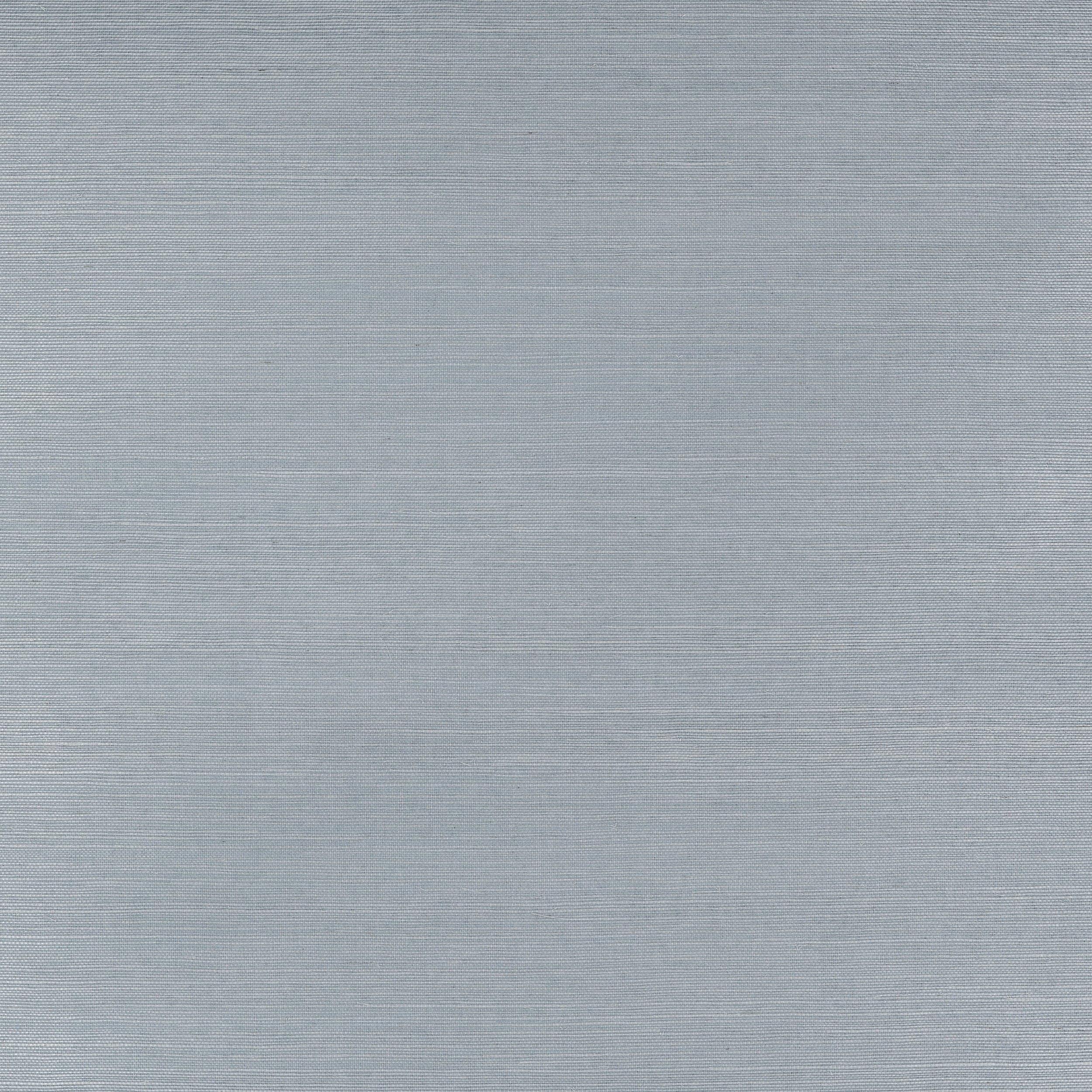
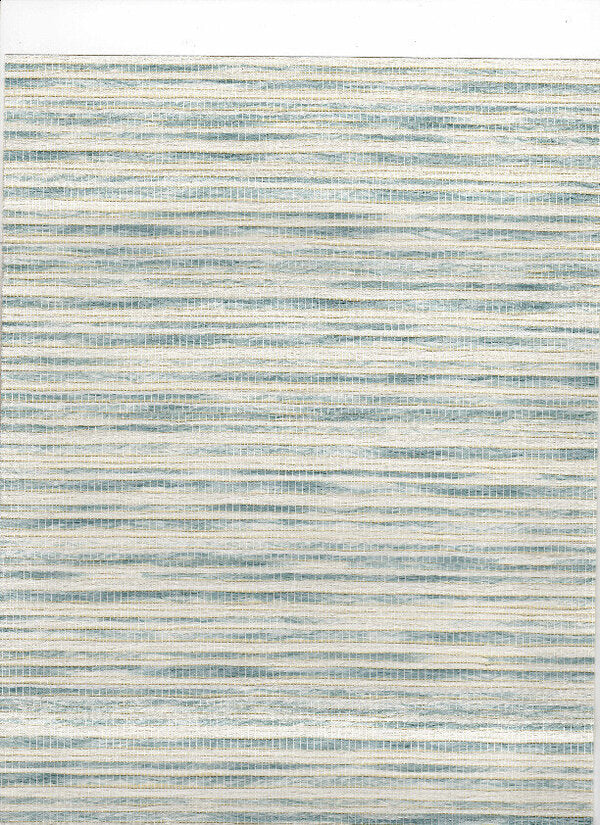
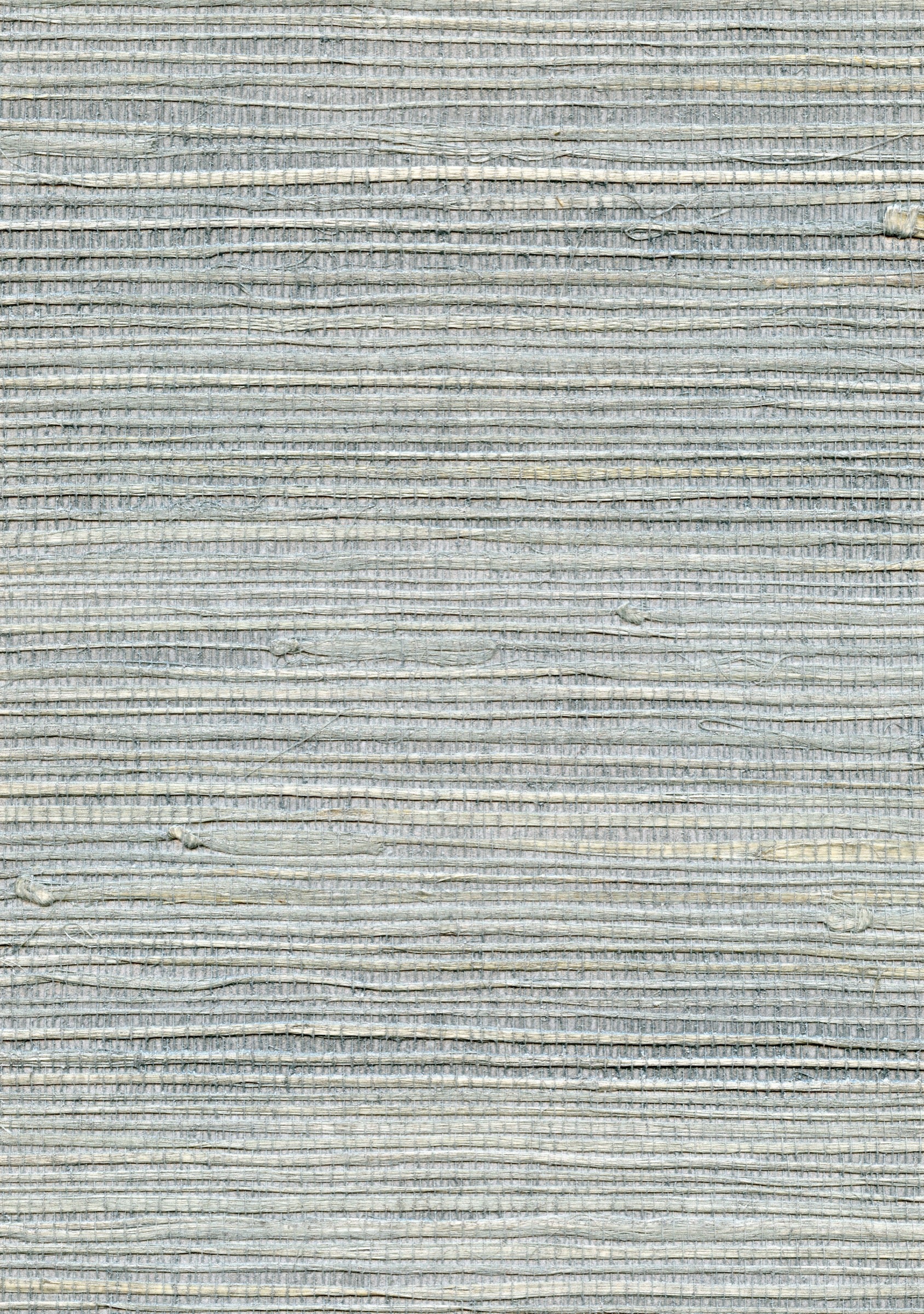
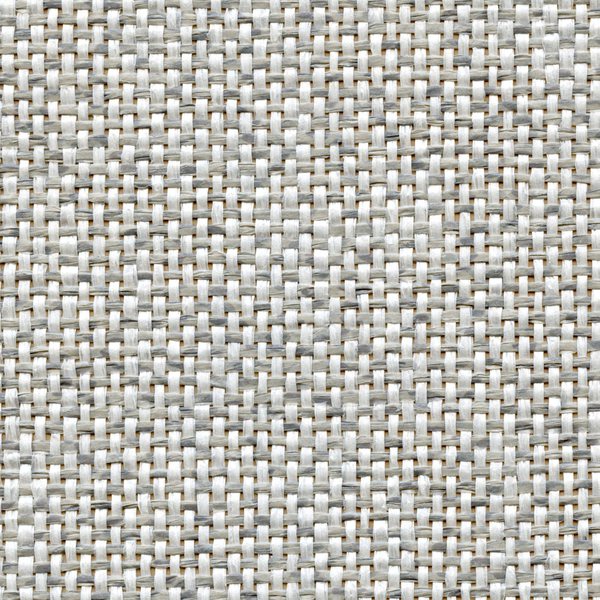
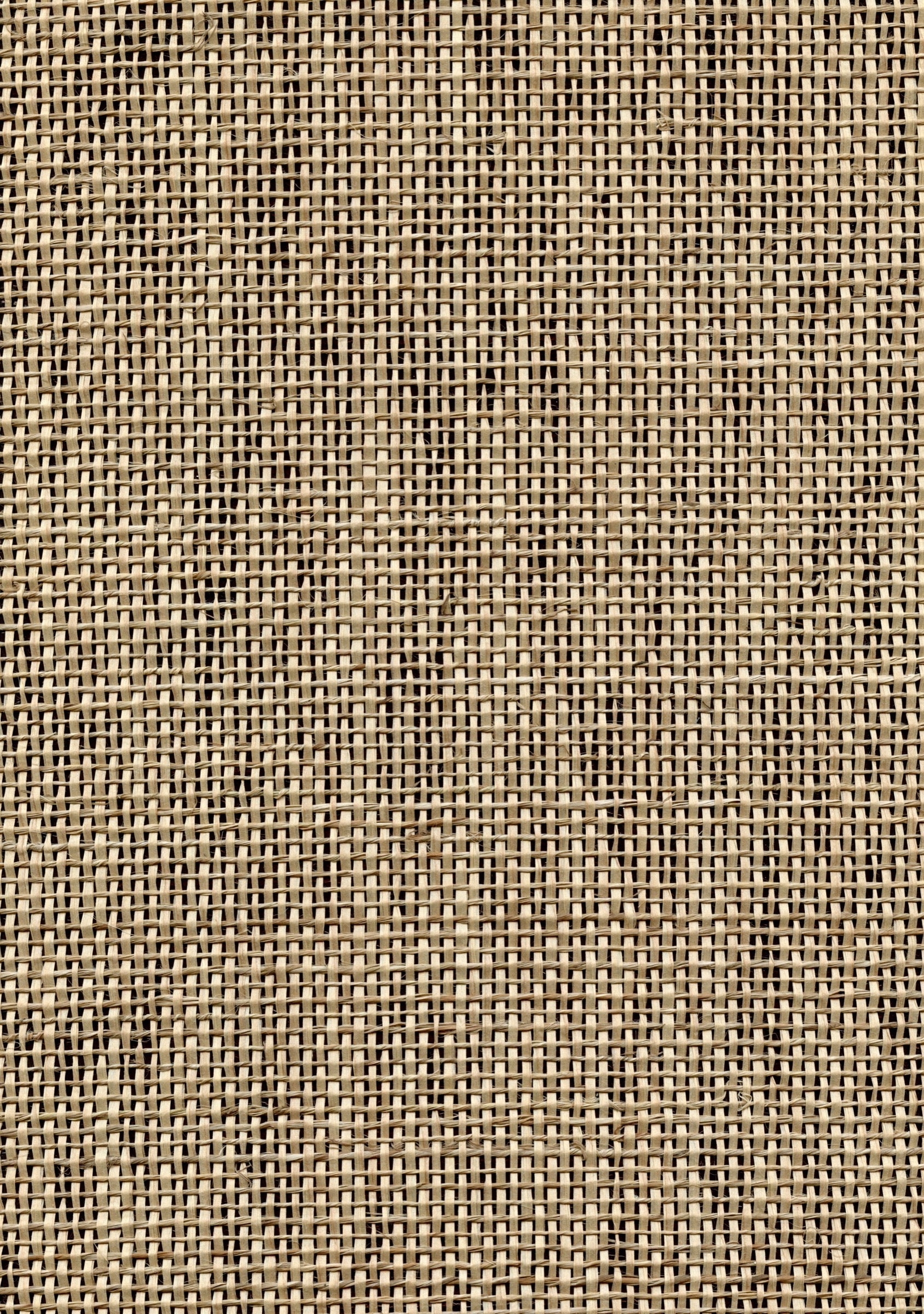
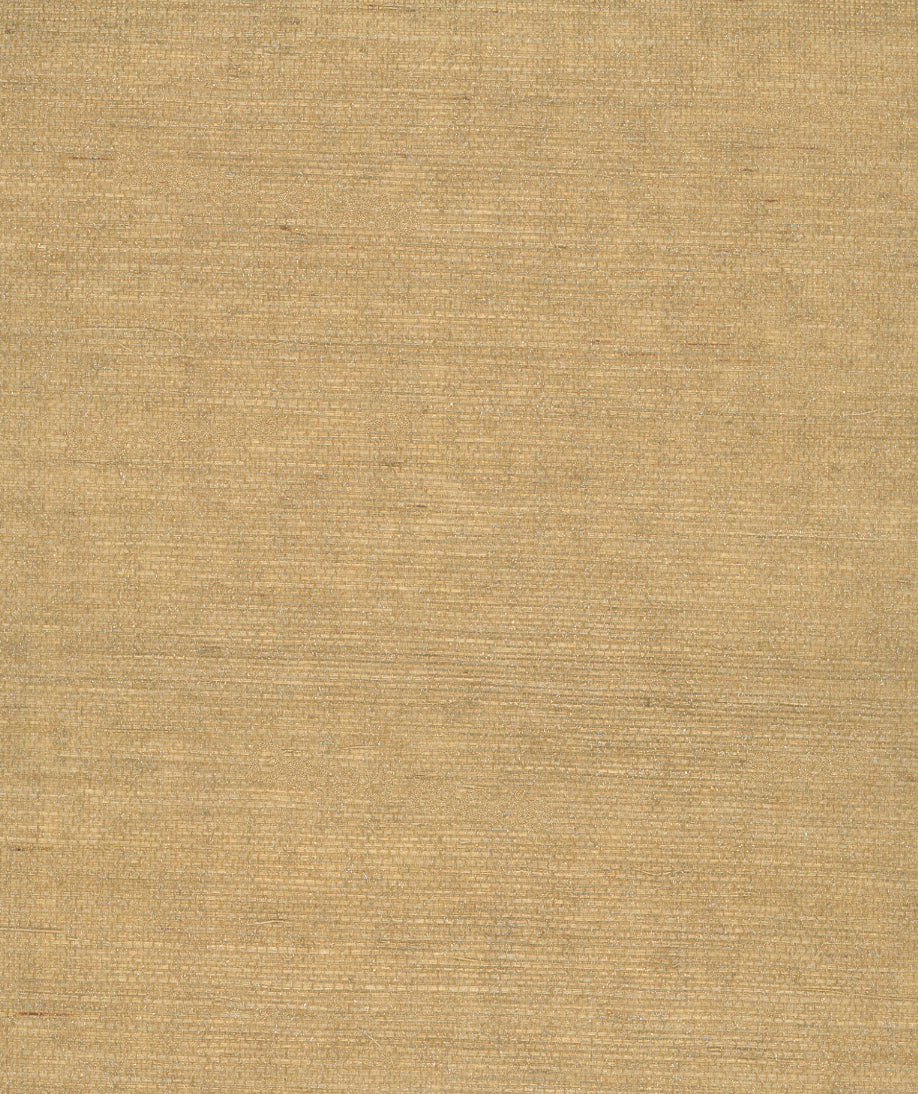
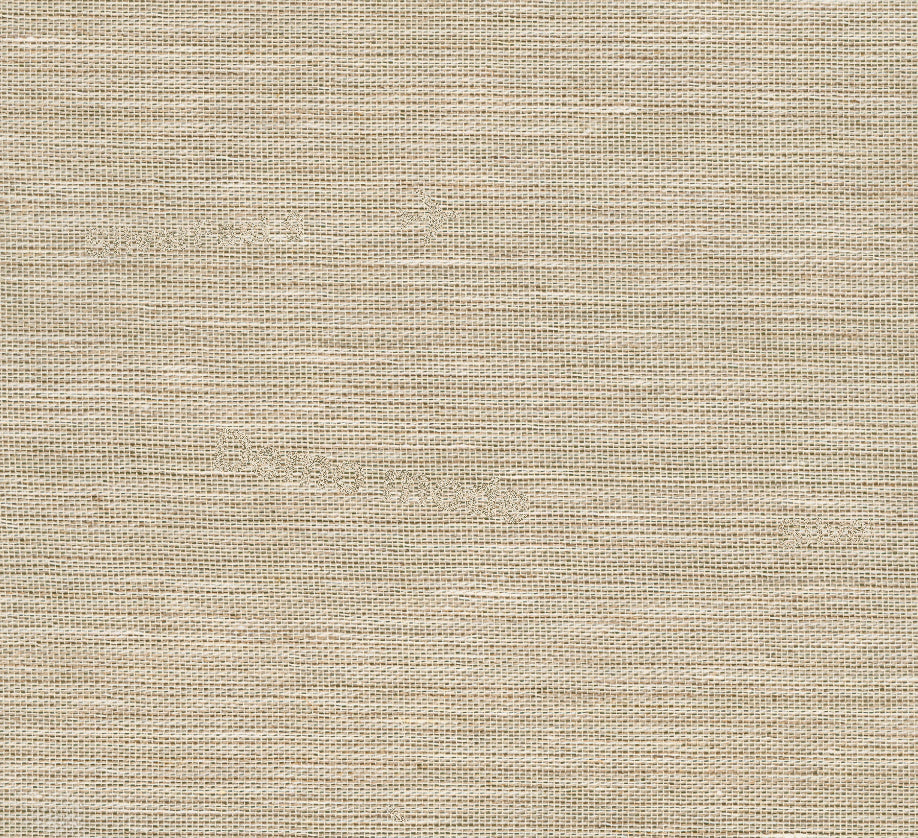
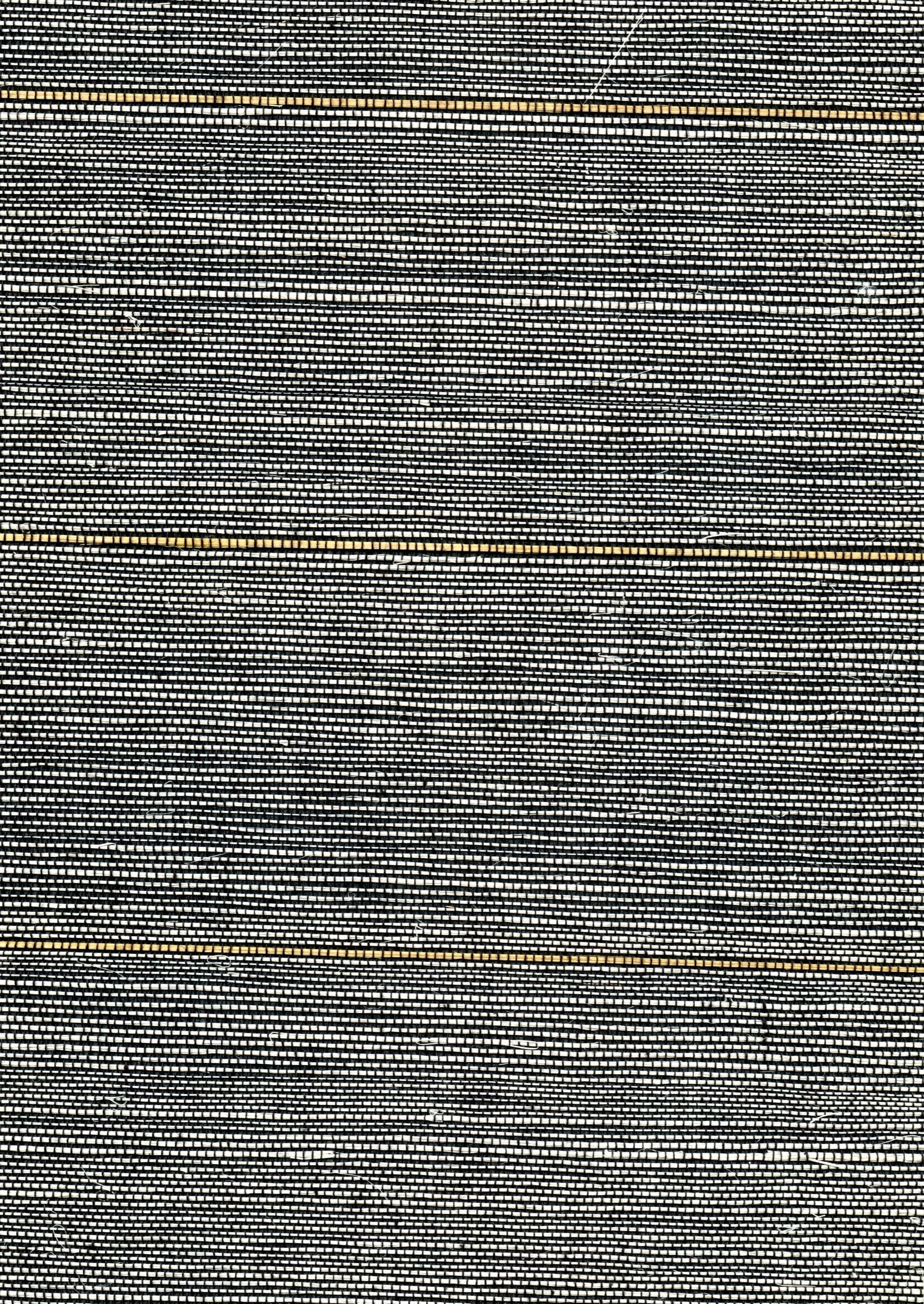
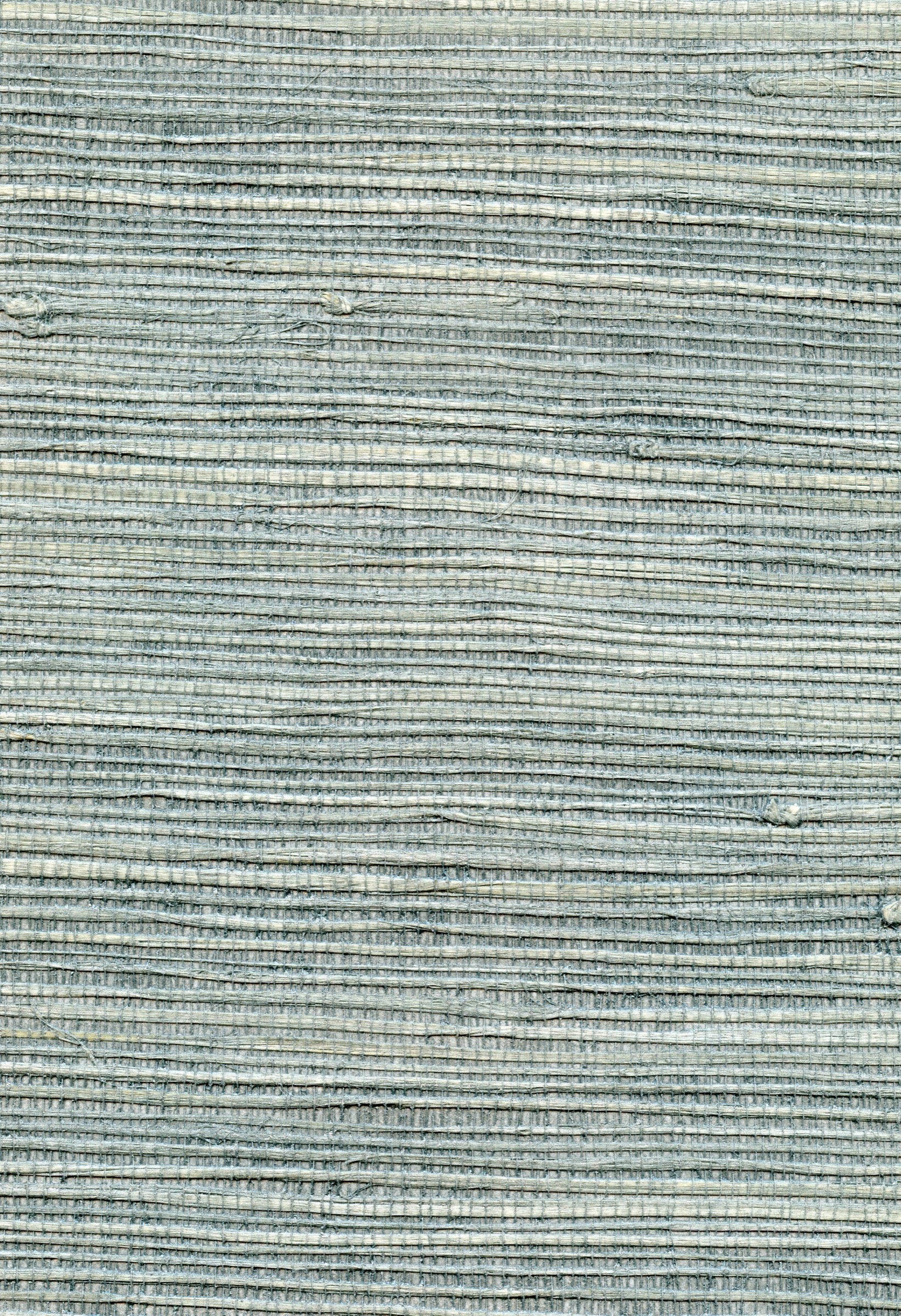
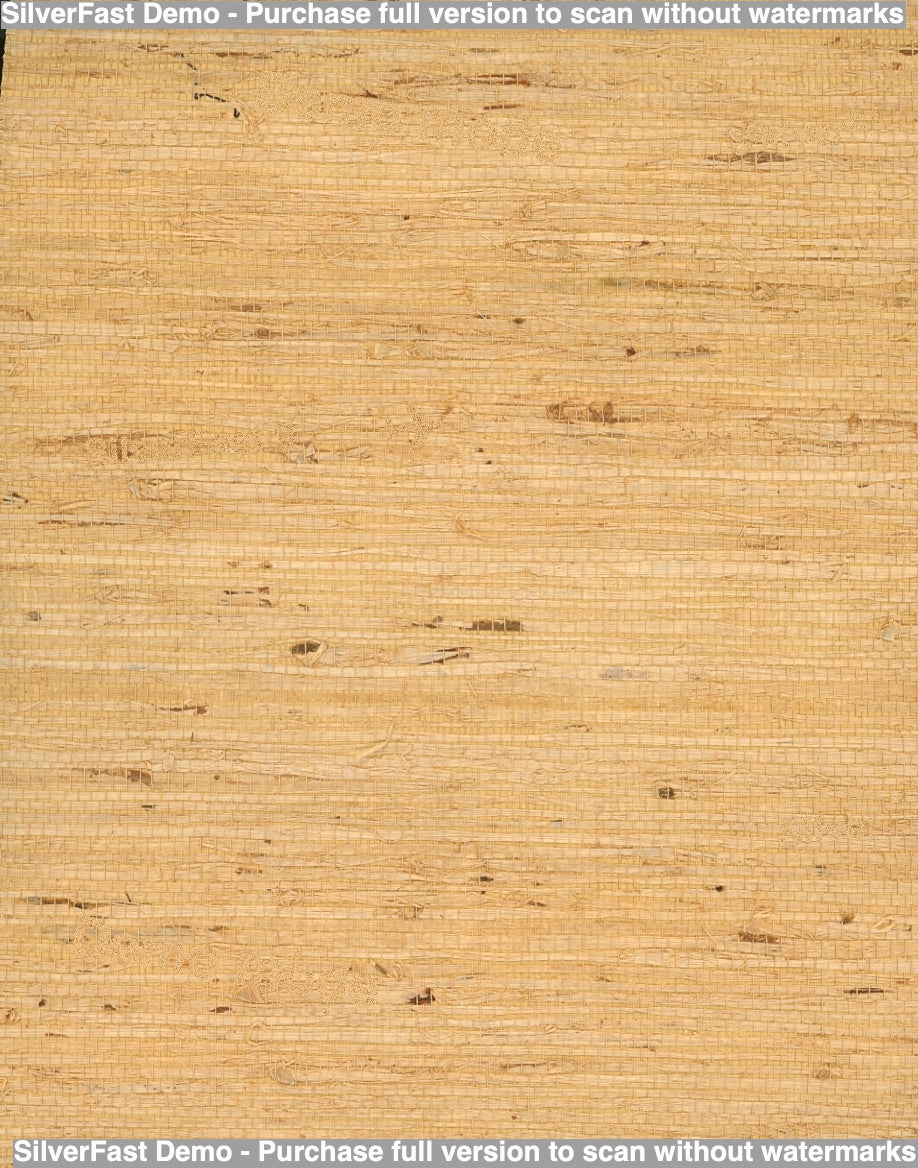
Grasscloth is the broad family name, but the specific fiber changes everything. True grasscloth (honeysuckle vine and reed) has a fine, horizontal grain and the widest color range because it takes dye well. Sisal is tighter and more uniform, a good choice if you want texture without a busy pattern. Jute is the ropiest and most rustic of the three, with visible knots and a warm, sandy tone that leans farmhouse.
For a Monterey palette, look at oat, driftwood gray, seafoam, and the pale bleached neutrals that echo dune grass. Avoid anything with a heavy sheen; the point is to absorb light softly, not bounce it. If you want a hint of shimmer for an evening room, a mica-backed grasscloth gives it subtly without turning glossy.
Where paneling meets paper
Natural fiber does its best work on a feature wall or a small enveloping space rather than an entire open-plan great room. A powder room, an entry, or the wall behind a bed lets the texture register up close, which is where these materials earn their keep. In a larger room, pair one grasscloth wall with painted plaster on the rest so the eye has somewhere to rest.
Seams are part of the honesty of the material, not a flaw to hide. Because each panel is a natural fiber, adjacent strips will differ slightly in tone; a good installer sequences and sometimes reverses panels to distribute that variation. Ask for it up front so nobody is surprised when the wall looks handmade, because it is.
Quick checklist before you order
- Order extraBuy 10 to 15 percent over your measured square footage so all panels come from one dye lot.
- Check the lotNatural fiber tones shift between production runs; confirm every roll shares a lot number.
- Prep the wallGrasscloth needs a smooth, primed, and sometimes tinted wall since the base can show through the weave.
- Plan the seamsExpect visible, slightly mismatched seams; ask the installer to panel-match for even color.
- Skip wet roomsKeep untreated fibers out of showers and splash zones; use a coated or vinyl-backed version there.
Frequently asked
Is grasscloth wallpaper hard to clean?
It is not scrubbable. Dust it with a soft brush or vacuum attachment and blot spills immediately; grasscloth cannot take water or cleaning sprays.
Does grasscloth work in a coastal bathroom?
Only away from direct water. It suits a powder room fine, but for a full bath choose a coated or vinyl grasscloth that resists humidity.
Why do the panels look different colors?
That color variation is inherent to natural fibers and considered a feature; a careful installer sequences panels to spread it evenly across the wall.
Read more
- The fog palette: what the Monterey marine layer does to color on a wallThe Peninsula lives under a low coastal fog for much of the summer. That cool, diffuse light changes how wallpaper reads, and it quietly explains the region's muted palette.
- Monterey Colonial: the adobe-and-balcony style born on these streetsThe architectural style named for this town traces to an 1830s house still standing downtown. Understanding it explains why so many Peninsula interiors want a restrained, hand-made surface.
- Cannery Row to cottage: the working-coast interior of the PeninsulaBetween Steinbeck's sardine canneries and the Victorian cottages of Pacific Grove sits a real, specific interior tradition — modest, wooden, salt-worn — with a clear sense of what its walls can carry.
- Cypress, kelp, and sandstone: building a Peninsula wall from the landscapeThe Monterey cypress, the kelp forests of the bay, and the pale coastal rock form a ready-made regional palette and pattern library. How to translate a specific place onto a wall.